


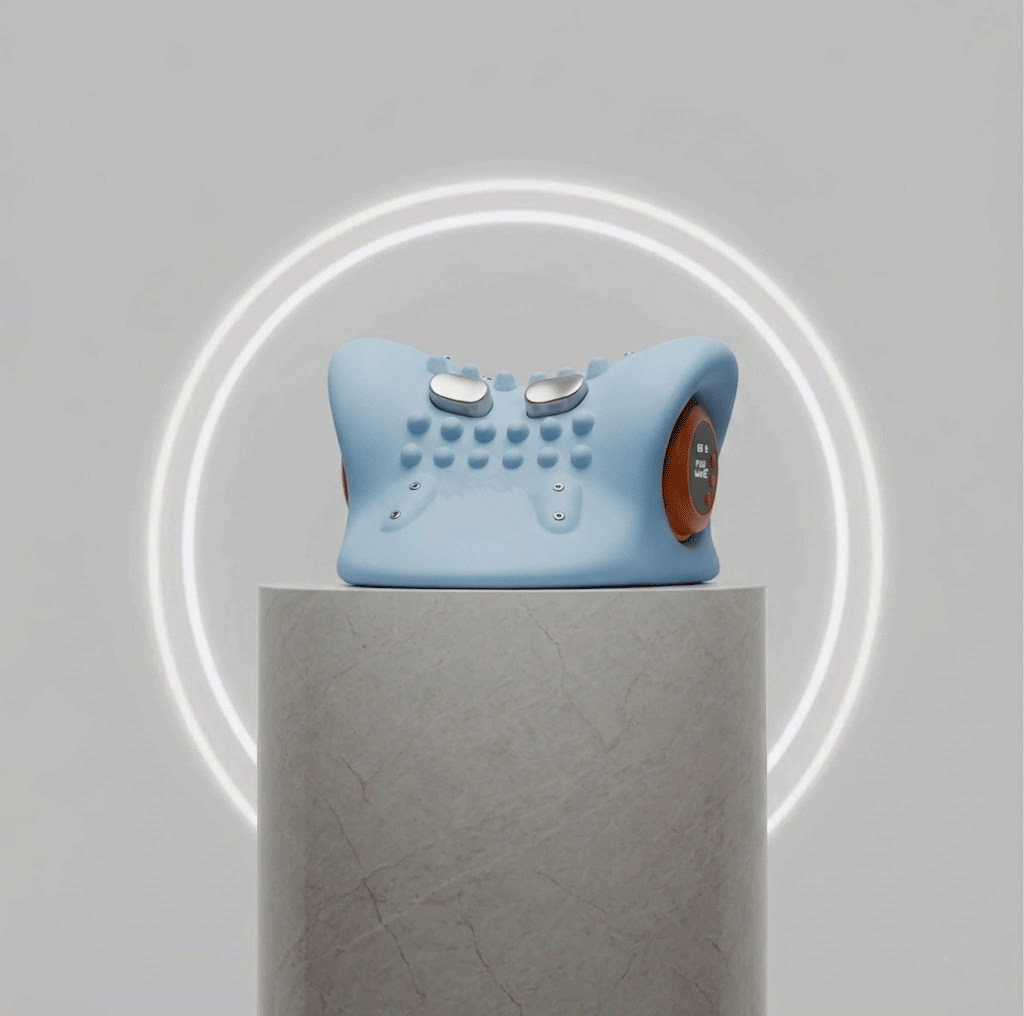
Neck pain often starts as a small stiffness and quietly turns into something that affects driving, desk work, sleep, and even simple turning movements. Tight muscles in the cervical area can limit mobility, add pressure around the columna cervical, and make daily tasks feel harder than they should. The good news is that gentle estiramientos de cuello can help aliviar el dolor, ease tension, and support better posture. Used consistently, they can be a practical first step alongside medical care, physiotherapy, or other treatment when needed.
Why Estiramientos de Cuello Help Neck Pain
When the muscles around the neck stay shortened for long periods, the zona cervical loses easy movement and fatigue builds quickly. Poor posture, long screen time, and stress all contribute to tension muscular patterns that pull on the columna vertebral and make dolor cervical more noticeable. Gentle cervical estiramiento de cuello work can help reduce stiffness, improve movilidad del cuello, and make everyday turning or looking down feel smoother. The aim is realistic relief, not a miracle fix. Stretching can aliviar el dolor gradually, but it does not replace proper medical care when symptoms are persistent or severe.
Before You Start: Safety Tips for the Cervical Area
Stretching is most appropriate for mild stiffness, postural discomfort, or muscle tightness rather than unexplained pain. If there has been an injury, sharp pain, dizziness, numbness, tingling, weakness, or a sudden worsening of dolor de cuello, stop immediately and get assessed. Slow breathing, a neutral spine, and controlled range of motion keep the movement safer for the columna cervical. Warm muscles usually respond better, so a short walk or light shoulder movement before the routine can help the estiramientos de cuello feel easier and more effective.
How to Do Neck Stretches Correctly
The best setup is simple: sit or stand tall, keep the shoulders relaxed, and let the head move without forcing it. Each stretch should feel smooth, never jerky. Hold the position gently, avoid bouncing, and return slowly to the start. Common mistakes include shrugging the shoulders, leaning too far, or holding the breath, which can increase tension instead of reducing it. A useful starting point is 15 to 30 seconds per stretch, repeated two to four times, three to five days a week depending on comfort and symptoms.
Breathing and posture cues
Exhaling during the stretch often helps the neck soften, especially if stress is part of the problem. Keep the chin level unless the exercise asks for flexión anterior del cuello or another specific movement. Move from one side to the other with smooth transitions so the cervical joints are not strained by sudden changes.
5 Essential Estiramientos de Cuello to Try
This core routine covers the main movement patterns that matter most for home use, office breaks, or travel days. Each stretch targets a different area: the sides, back, front, or rotation of the neck. Keep the motion light and comfortable. A good stretch should create a mild pull, not pain. If the body feels guarded, shorten the range and build gradually.
Neck rotation stretch
Sit or stand tall and slowly turn the head to the left, keeping the shoulders still. Hold for 15 to 20 seconds, then return to centre and repeat on the right. This is one of the most useful ejercicios de estiramiento after long sitting because it helps restore rotación de cuello and ease stiffness without overloading the muscles.
Side neck stretch
Let one ear drift toward the shoulder while both shoulders stay relaxed and low. If needed, place the opposite hand lightly on the head for a little support, not force. Hold for 20 seconds, then return slowly. This side-neck movement should stay gentle so the cervical spine is not compressed.
Chin-to-chest stretch
Lower the chin toward the chest until a stretch is felt along the back of the neck. Hold for 15 to 30 seconds, then slowly lift the head back up. This is especially helpful for people who spend hours looking at laptops or phones. Stop if pressure builds too quickly or the stretch feels uncomfortable rather than releasing tension.
| Stretch | Main area | Best use |
|---|---|---|
| Neck rotation | Sides and movement control | After sitting or driving |
| Side neck stretch | Upper side muscles | Desk tension and mala postura |
| Chin-to-chest | Back of neck | Screen-related stiffness |
| Front-neck release | Front cervical muscles | Balanced mobility work |
| Gentle extension | Front and upper neck | Postural reset |
For the remaining two movements, add a gentle front-neck stretch by lifting the chest slightly and looking upward only as far as comfortable, then return to neutral. A mild extension can help offset the forward-head posture many people develop. A shoulder-supported neck release can also help by letting the head rest briefly in a comfortable position after the other stretches. Together, these movements support mobility without pushing hard into the end range.
Stretching the Front, Back, and Sides of the Neck
Balanced flexibility matters because the neck rarely gets tight in just one direction. Front stretches open the tissues that shorten with slouched posture, back stretches help after long screen use, and side stretches reduce the pull that develops from sleeping awkwardly or carrying tension. Using all three patterns gives the columna cervical a more complete reset and can reduce stiffness caused by repetitive daily positions without turning the routine into anatomy overload.
Exercises to Strengthen the Neck and Upper Back
Stretching works best when it is paired with light ejercicios para fortalecer. Simple isometric resistance, shoulder shrugs, and controlled head presses can support the neck without adding much load. The goal is to fortalecer la musculatura around the cervical joints so posture feels easier to maintain. Start with low effort and short holds, especially if the muscles are sensitive. These exercises should feel steady and controlled, never aggressive, and they should stop before they trigger pain.
Why strengthening matters
Better muscle support takes strain off the cervical joints and helps the neck cope with work, driving, and everyday movement. Stronger posture muscles can also reduce flare-ups when the head is held forward for too long. That said, strength work should never cause sharp pain, spasms, or a feeling that the neck is locking up.
How Often to Do Neck Stretches
Consistency matters more than intense sessions. Beginners can start with five to ten minutes a day and build slowly as tolerance improves. Short routines work well during work breaks, after waking up, or before bed when the muscles are already calm. Frequency should match symptom level: a sore neck may need gentler, more frequent movement, while a settled neck may tolerate a longer routine a few times a week.
Habits That Help Prevent and Relieve Neck Pain
Long-term neck comfort depends on more than stretching. Ergonomic chair setup, screen height at eye level, and a pillow that supports the neck without forcing it forward can all reduce strain. Regular movement breaks matter just as much, especially for people who sit for hours. Posture awareness helps catch tension before it becomes pain, while hydration, stress reduction, and light activity keep the muscles from tightening up again.
When to See a Doctor or Fisioterapia Specialist
Seek medical advice if there is numbness, weakness, severe pain, trauma, or pain that keeps returning despite rest. Persistent symptoms, headaches linked to the neck, or increasing stiffness deserve professional evaluation. A fisioterapia specialist can assess movement, identify the cause, and personalize a plan for recovery, strengthening, and safer estiramientos de cuello.
Making Neck Stretches Part of Daily Recovery
The most useful routine is the one that fits real life: short, safe, and repeatable. Gentle cervical estiramiento de cuello, balanced strengthening, and better daily habits can all work together to prevenir y aliviar discomfort. For many people, that combination is enough to reduce neck pain headaches and shoulder stiffness over time while improving confidence in how the neck moves, especially when paired with a supportive cervical support pillow at night.
Share:
Abnormal Spinal Curvature: Cervical Hyperlordosis Guide
How Does a Heated Neck and Shoulder Massager Relieve Neck Pain