


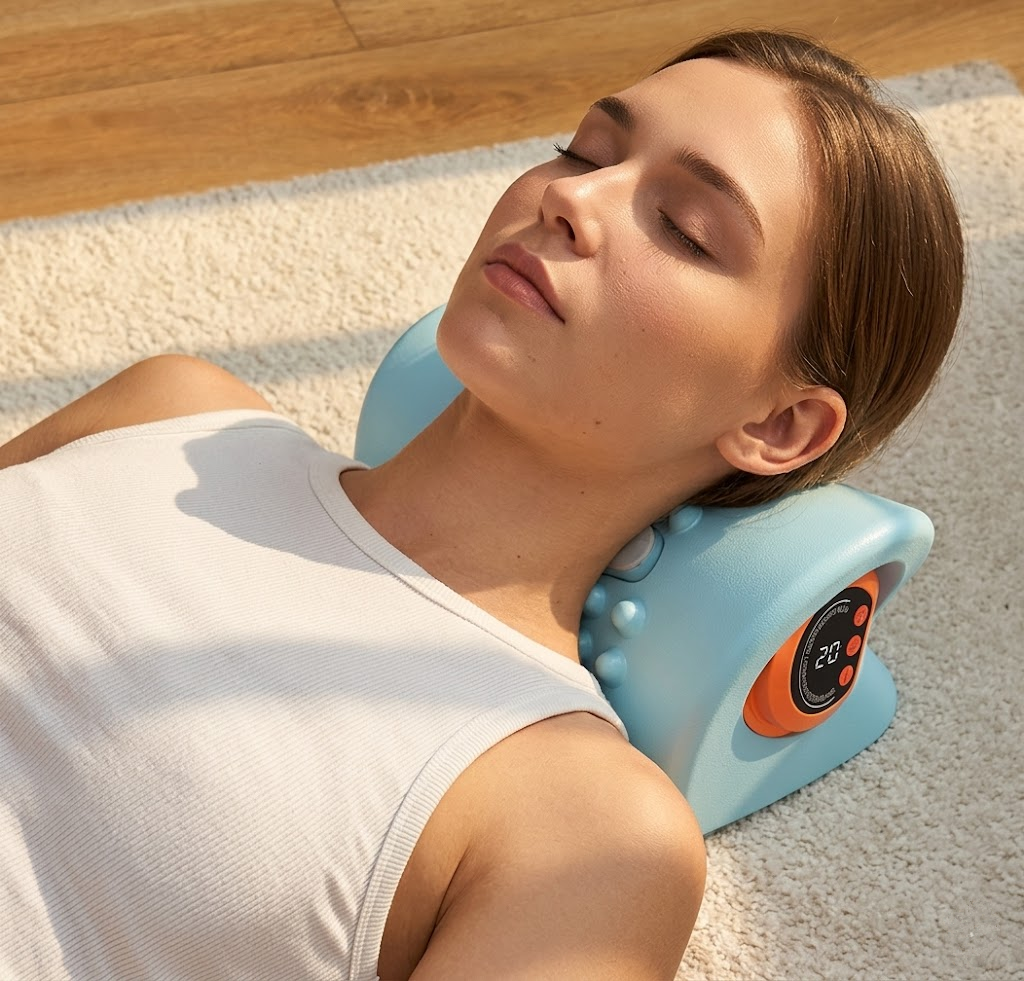
Morning neck stiffness usually points to a support problem, not a search for one perfect pillow. The best pillow for neck pain is the one that keeps the head, neck, and upper spine in a neutral position through the night, rather than the softest option on the shelf. That is why editorial reviews focus on sleep position, loft, firmness, and fill instead of blanket claims. Below, the key pillow types are compared in practical terms so it is easier to judge which cervical support pillow, contour design, or adjustable fill is most likely to help.
Best Pillow for Neck Pain: What to Know First
Neck pain relief starts with better support, not a universal pillow that works for everyone. A pillow can feel plush at bedtime and still leave the cervical spine bent awkwardly by morning. Alignment matters more than softness because a head that sinks too far forward, back, or sideways often leads to neck stiffness. The goal is to support your neck in a neutral arc so the muscles can relax. That is why expert-tested guidance usually compares memory foam, latex, buckwheat, fiber, and contoured cervical designs. Each one handles support, pressure, and loft differently, and those differences matter more than the marketing label.
How to Choose the Best Pillow for Neck Pain
Sleep position is the first filter because side, back, and stomach sleepers need different levels of height and support. Shoulder width and head size then affect how much loft is needed to keep the neck level. A broader shoulder usually needs a taller pillow, while a smaller frame may do better with a lower profile. Firmness matters too, but “firm enough” does not mean hard; it means the pillow resists collapsing while still feeling comfortable under the head. The right pillow should keep the neck neutral without forcing the chin up or dropping the head too low. Comfort matters, but only if support is still doing its job overnight.
Sleep position and pillow height
Side sleepers generally need a taller pillow to fill the shoulder-to-ear gap, especially if the mattress is soft and the shoulder sinks in. Back sleepers usually do better with lower loft and a gentle neck cradle that supports the natural curve without pushing the head forward. Stomach sleeping often twists the neck for hours at a time, so it tends to make strain worse and is best reduced where possible. Matching pillow height to posture keeps the decision simple: side sleepers need more fill, back sleepers need less, and stomach sleepers need the least forgiving setup of all.
Firmness, fill, and feel
Memory foam, latex, fiber, and buckwheat-style fills each create a different balance of support and comfort. Supportive materials help a pillow hold shape through the night, which is crucial if the head tends to sink into softer bedding. Memory foam and latex usually stay steadier; fiber can feel softer but may flatten sooner; buckwheat is highly adjustable but not for everyone’s taste. A softer feel is acceptable when it still keeps the neck neutral, but when the pillow collapses, support should win. The best choice is the one that feels comfortable at bedtime and still looks as though it has done its job eight hours later.
What Is a Cervical Pillow?
A cervical pillow is a contoured pillow designed to support the neck rather than simply cushion the head. The shape usually includes raised edges with a dip in the middle, so the head rests lower while the neck gets targeted support. That design may help readers dealing with neck stiffness, poor posture, or a habit of waking with a tight upper back. It can feel unusual at first because the contour is more structured than a standard pillow. Some people need a short adjustment period before it feels natural, so expectations should be realistic. When it fits well, the design can be useful for overnight support and more consistent alignment.
Best Pillow Types for Neck Pain
The most useful comparison is not “best in the abstract,” but which category suits the way someone actually sleeps. Different designs solve different problems: some hold shape better, some are cooler, and some are easier to tune for height. The strongest options for support your neck are usually the ones that resist flattening and keep the head from drifting out of alignment. That often means contour styles, memory foam, latex, or adjustable fills. Each has trade-offs, so the better choice depends on whether the main issue is shoulder space, heat, firmness, or the need for a more customised loft.
Memory foam and contour pillows
Memory foam responds to pressure and then slowly returns to shape, which makes it useful for sleepers who want consistent support overnight. Contoured designs can improve alignment for back and side sleepers because they create a defined cradle for the head and a raised area for the neck. That shape can be especially helpful if morning pain seems linked to poor positioning rather than pure softness. The drawback is that some memory foam pillows sleep warmer, and firmer contour models may need a break-in period before they feel comfortable. For many people, though, the extra structure is exactly what makes the pillow feel firm enough to support the neck.
Buckwheat, latex, and adjustable fills
Buckwheat, latex, and adjustable-fill pillows all offer a different route to support. Buckwheat is naturally supportive and breathable, and it can be shifted to change height, though it feels heavier and can be noisy when moved. Latex tends to combine resilience with airflow, so it suits sleepers who want springy support rather than the deeper sink of foam. Adjustable fills are the most flexible option because loft and firmness can be fine-tuned over time, which helps if sleeping posture changes. These designs are less about one fixed feel and more about finding the height that keeps the neck aligned without making the pillow feel overbuilt.
Best Pillow for Neck Pain by Sleep Position
The easiest way to narrow the choice is to start with how the body settles once sleep really begins. A pillow that suits a side sleeper can feel completely wrong for someone who spends most of the night on the back. Mixed-position sleepers usually need a compromise: enough height for side sleeping, but not so much loft that the neck is strained when rolling onto the back. The best pillow for neck pain is the one that works across those positions without constant readjustment. Self-assessment is simple: if the head tips, the chin lifts, or the shoulder feels crowded, the pillow is probably off-target.
Best for side sleepers
Side sleepers need enough loft to keep the head level with the spine, because the shoulder creates a wide gap that has to be filled. A pillow that is too flat leaves the neck angled downward, while one that collapses under shoulder weight can create the same problem in a different way. A cervical pillow or contour shape often helps because it supports the neck while preserving the space needed for the shoulder. Firm support matters here more than a plush surface, especially for broader frames. The best fit usually feels stable rather than bulky, and it keeps the nose, chin, and breastbone aligned in a straight line.
Best for back sleepers
Back sleepers usually need a lower profile and a pillow that supports the curve of the neck without propping the head too high. A gentle cradle can reduce pressure and keep the cervical area relaxed, which is why many back sleepers prefer contour or medium-loft designs. A flatter pillow may work better than a deeply contoured one if the neck already sits naturally close to the mattress. The key is to avoid a setup that pushes the chin toward the chest. If the head feels tilted forward in the morning, the pillow is probably too high; if the neck feels unsupported, it may be too low.
| Sleep style | Best pillow traits | Common mistake |
|---|---|---|
| Side sleepers | Higher loft, stable support, contour or cervical shape | Pillow that collapses under shoulder weight |
| Back sleepers | Lower loft, gentle neck cradle, medium firmness | Overly thick pillow that pushes the head forward |
| Occasional stomach sleepers | Very low profile, minimal lift | Stacked pillows that twist the neck |
Features That Matter Most for Neck Support
Materials that keep their shape through the night should be top priority, because a pillow that breaks down at 3 a.m. will not support the neck properly by morning. Washable covers help with hygiene, while cooling layers matter if heat causes tossing and turning. Durability is worth paying attention to as well, since a pillow that loses loft quickly can turn an otherwise good setup into a poor one. Contour depth, overall loft, and shoulder support are the three features that most directly affect neck pain. If those are right, comfort usually follows; if they are wrong, even a luxurious pillow can feel disappointing.
Common Mistakes When Choosing a Pillow
Softness alone is a poor buying guide because a pillow can feel pleasant and still leave the cervical spine out of line. A pillow that is too high can strain the neck just as much as one that is too flat. Worn-out pillows are another common problem, especially when the fill has clumped or the loft has permanently dropped. Stacking several pillows often makes matters worse by forcing the head upward and bending the neck unnaturally. The simplest check is this: if the neck feels twisted, propped, or sagging, the setup needs changing rather than extra padding.
Can Your Mattress Affect Neck Pain?
Yes, because a mattress that sags can change spinal alignment and alter how the neck sits at night. A good pillow cannot fully compensate for a bed that lets the torso sink too far or pitches the body unevenly. Pillow choice and mattress support should be judged together, especially if morning stiffness keeps returning despite trying different lofts. A simple test is to lie in your usual sleep position and see whether the head, shoulders, and hips feel level. If the body tilts or the shoulders sink unevenly, the mattress may be part of the problem rather than the pillow alone.
When to Replace Your Pillow
Flattening, lumps, and lost loft are the clearest signs a pillow has stopped doing its job. Once a pillow breaks down, it often loses the ability to support the neck in a neutral position. A replacement is usually due when comfort drops, support feels inconsistent, or morning stiffness starts creeping back in. If a pillow looks tired and feels tired, it probably is. That is often the simplest clue that the neck needs a fresh setup rather than another night of hoping it settles.
FAQ: Best Pillow for Neck Pain
Why does my pillow make my neck hurt?
A pillow can make the neck hurt when it bends the head too far forward, back, or to one side. That poor support often shows up as morning pain or stiffness. The cause may be height, firmness, or fill that has worn down and no longer holds position properly. In plain terms, the pillow is no longer matching the way the body sleeps.
What pillow material is best for neck pain?
Supportive materials that hold shape are usually the strongest starting point, especially if the neck needs steady alignment through the night. Memory foam, latex, and adjustable fills often perform well for that reason. Temperature comfort matters too, since overheating can interrupt sleep and make the pillow feel less usable, even if the support is good. The best material is the one that balances both support and sleep comfort.
How do I know if I need a cervical pillow?
Signs include waking stiff, wanting more neck support, or naturally preferring a contoured shape that cradles the head and neck. A cervical pillow can be worth trying if standard pillows leave the head sinking or the neck unsupported. Trial still matters, though, because personal comfort and sleep position can change the outcome. Posture and support should stay the main decision filters.
What to Take Away Before Buying
The best pillow for neck pain is rarely the softest one or the most expensive one; it is the one that keeps the neck neutral and suits the way sleep actually happens. Side sleepers usually need more loft, back sleepers usually need less, and mixed-position sleepers benefit from adjustability or a well-shaped contour. Supportive fills that hold shape, such as memory foam, latex, or structured adjustable designs, are often the safest starting point. If stiffness keeps returning, the pillow is worth re-evaluating alongside the mattress. A good fit should feel stable, comfortable, and quietly supportive from night one onward.
Share:
Best Neck Massagers: Expert Picks and Buying Guide
Best Shiatsu Neck Massager Picks for 2026 Buyers