


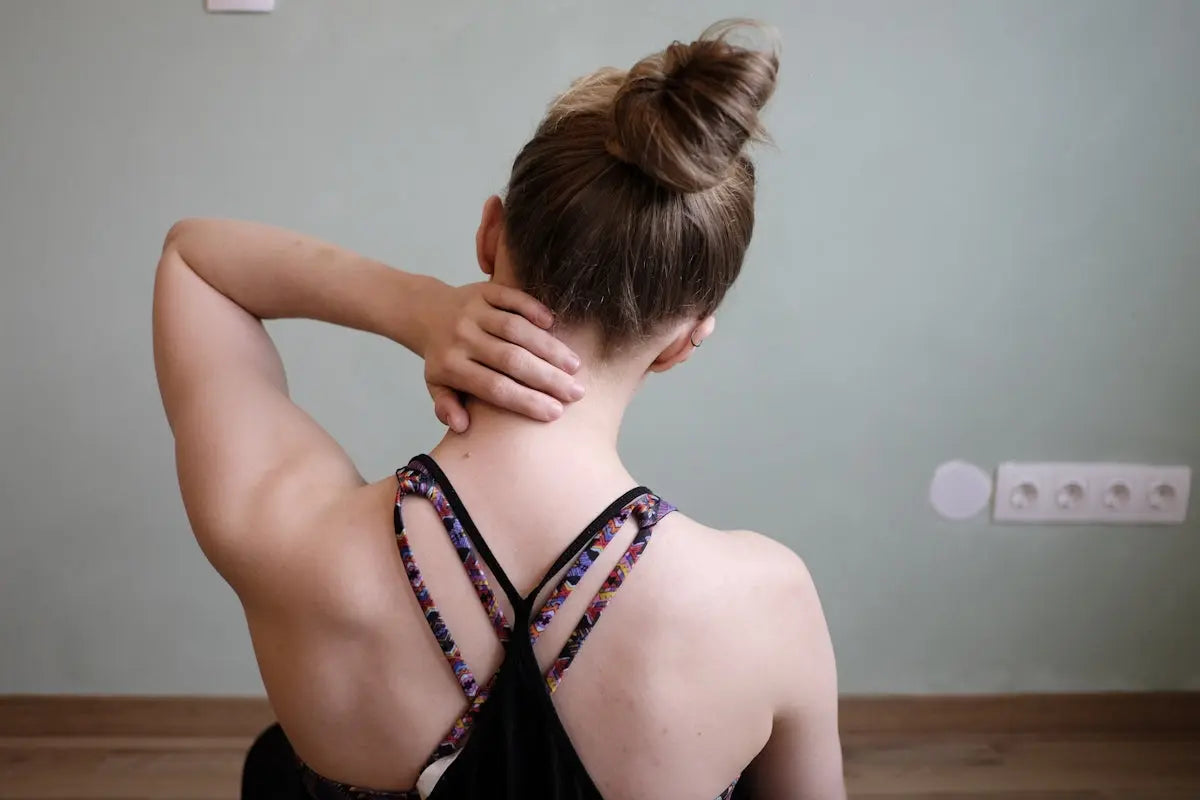
If you've ever experienced the discomfort of a stiff neck or the throbbing pain of a tension headache, you know how disruptive they can be to your daily life. Tension headaches are a common type of headache and one of the most common headache complaints for people who spend long hours sitting at a desk or glued to their screens. Fortunately, there are effective exercises and self-care steps that can help relieve tension headaches and ease neck tightness at home.
1. Neck Stretches
One of the simplest ways to relieve a stiff neck is through gentle stretching. Tilt your head toward each shoulder, holding the position for 15-30 seconds. Be sure to breathe deeply as you stretch, and repeat on the other side. These movements can help loosen the head and neck muscles that often contribute to tension headache symptoms.
2. Shoulder Shrugs
Shoulder shrugs are excellent for releasing built-up tension in your upper back and neck. Simply raise your shoulders toward your ears, hold for a moment, and then relax them down. Repeat several times to feel the tension melt away and support tension headache relief after long periods of daily activities at a desk.
3. Head Tilts
To increase flexibility in your neck, practice head tilts. Gently tilt your chin toward your chest and then back to the neutral position. This exercise helps enhance the range of motion in your neck and may reduce symptoms of a tension headache caused by muscle tightness in the head and neck.
4. Neck Massager
Consider incorporating a neck massager into your routine. This useful tool can ease stiff neck muscles and tension headaches caused by cervical pressure. With features like built-in heat and pulse therapy, it offers a professional-level neck relief experience at home. Using hot or cold therapy along with a massager may also support short-term comfort during a headache.
5. Posture Correction
Poor posture is a major contributor to neck pain and tension headaches. Being mindful about your posture by keeping your back straight and your screen at eye level can make a tremendous difference. Consider setting reminders to check and adjust your posture throughout the day. Good posture is also one of the best habits for preventing tension headaches over time.
What causes tension headaches?
What causes tension headaches can vary from person to person, but common triggers include stress, poor posture, tight muscles in the head and neck, and long hours of screen time. These headaches often cause pressure on both sides of the head and may come and go over several days if the trigger is not addressed.
What is the best position for a tension headache?
The best position for a tension headache is usually one that keeps your neck and spine in a neutral, supported alignment. Sit or lie down with your shoulders relaxed, your chin level, and your screen or reading material at eye level. This can ease strain on the head and neck and may help reduce tension headache symptoms.
What pressure points get rid of tension headaches?
Some people find relief by gently massaging pressure points around the temples, the base of the skull, and the area between the thumb and index finger. These spots may help ease tightness associated with tension-type headaches, but avoid pressing too hard if you have a severe headache or unusual pain.
Incorporating these exercises and maintaining good posture can significantly relieve tension headaches and ease a stiff neck. For additional relief, explore products like the best pillow for neck and shoulder pain that can provide soothing comfort and improve your overall neck health.
For more wellness tips and quality health products, visit Quest Props today!
Share:
Is It Safe to Use a Massage Gun on Your Neck? Expert Guide 2026
Best Neck Massagers: Expert Picks and Buying Guide